English
 Arabic
 French
 Spanish
 Portuguese
 Deutsch
 Turkish
 Dutch
Dutch
 Italiano
 Russian
 Romaian
 Portuguese (Brazil)
 Greek
Greek
Golden Goose Outlet two decades of experience across luxury
Other |
2026-01-25 07:35:04
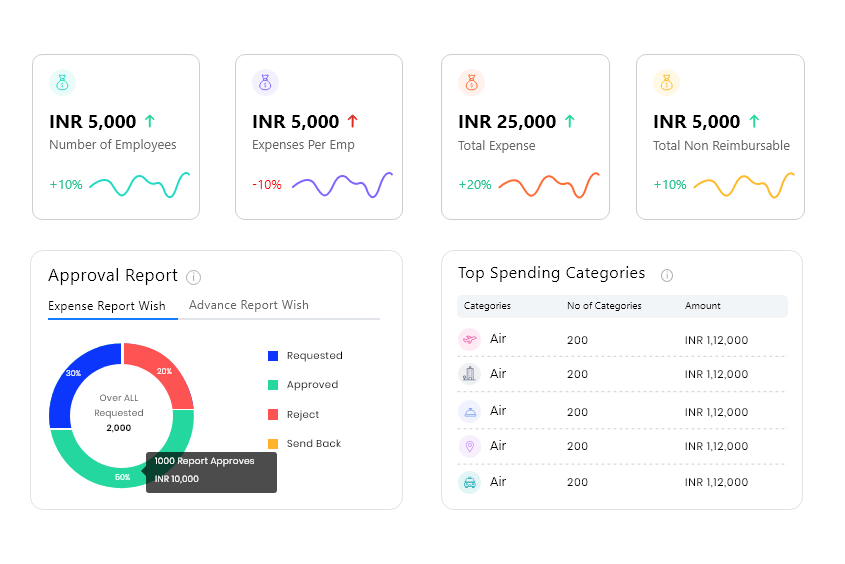
Organizations worldwide increasingly adopt technology solutions to manage employee expenses, travel costs, and corporate spending efficiently. The Expense Management Software Market Size represents a critical segment of enterprise software enabling automated tracking, approval, and reimbursement processes. Traditional manual expense reporting methods are being replaced by intelligent platforms offering real-time visibility and policy enforcement. The Expense Management Software Market size is projected to grow USD 23.88 Billion by 2035, exhibiting a CAGR of 11.8% during the forecast period 2025-2035. This substantial market valuation reflects the fundamental importance of expense control in maintaining profitability and compliance. Finance teams recognize that automated solutions dramatically reduce processing time while improving accuracy and policy adherence. Digital transformation initiatives increasingly include expense management modernization as essential components of financial operations improvement.
Cloud-based deployment has revolutionized expense management software accessibility and implementation for organizations of all sizes. Software-as-a-service models eliminate substantial upfront investments while providing continuous access to latest features and capabilities. Subscription-based pricing enables organizations to scale usage according to employee counts and transaction volumes. Cloud platforms provide automatic updates ensuring organizations always operate on current software versions seamlessly. Multi-tenant architectures enable vendors to achieve economies of scale while serving diverse customer requirements efficiently. Mobile-first designs enable expense capture and submission from anywhere, eliminating delays in reporting cycles. Integration capabilities connect expense platforms with accounting systems, travel booking tools, and corporate card programs.
Geographic expansion of expense management adoption reflects globalization of business operations and workforce mobility patterns. North American markets maintain leadership with mature adoption across enterprise and mid-market segments comprehensively. European markets demonstrate strong adoption driven by regulatory compliance requirements and operational efficiency imperatives. Asian markets exhibit rapid growth as expanding enterprises recognize the need for automated expense management solutions. Multinational corporations require platforms capable of handling multiple currencies, tax requirements, and approval workflows. Localization capabilities enable global platforms to address country-specific requirements including VAT reclaim processes. Remote work expansion has increased need for flexible expense management accessible regardless of employee location.
Investment in expense management infrastructure continues accelerating as organizations prioritize financial control and visibility. Private equity investors have acquired expense management vendors seeking exposure to recurring revenue business models. Venture capital funding supports innovative startups developing next-generation capabilities and industry-specific solutions. Strategic acquisitions enable platform vendors to expand functionality and address new market segments rapidly. Integration partnerships connect expense platforms with complementary systems enhancing overall value propositions. Customer success investments ensure organizations realize expected benefits from expense management implementations. User adoption programs build workforce engagement necessary for successful expense management deployment.
Top Trending Reports -
France Operational Technology Security Market Competitive Landscape